

Wondering what is branding and whether your business needs it? It’s the way people recognize, feel about and remember you, far beyond a logo, and you can shape it on purpose.
| Item | Value |
|---|---|
| Branding, in short | The process of creating a unique identity that resonates with your target audience |
| Consumers more likely to buy from brands they trust | 71% |
| Time needed to form a first impression | Fewer than 100 milliseconds |
| Branding timeframe | Long-term effort |
| Types of branding Wix describes | Product, service, online, offline, co-branding, corporate and personal |
These figures come from the AMA guide to branding (April 2025 edition) and the Wix guide to branding. Figures can change, so check the sources before you rely on them.
What is branding, in plain terms?
In simple terms, branding is the process of creating a unique identity for your business that resonates with your target audience, as the AMA puts it. It covers how people perceive and feel about your business as a whole.
HubSpot frames it as the process of shaping how something is recognized, experienced and remembered. For most marketers, that “something” is a business, according to HubSpot’s branding guide.
That is a much bigger job than drawing a symbol. The same guide says branding means your positioning, purpose, personality, values, voice, visual identity and every interaction a customer has with your business.
Wix quotes author Seth Godin, who described a brand as the set of expectations, memories, stories and relationships that, taken together, account for a consumer’s decision to choose one product or service over another. Read that definition twice, because it explains why perception matters as much as design. You can find it in the Wix guide.

A brand versus branding
A brand is the result, and branding is the ongoing work that produces it. HubSpot says a brand is more than a name or a logo, and describes branding as how you actively shape and maintain a brand’s recognition and perception through your actions and presence (HubSpot).
Think of it like a reputation. You can’t simply declare one, but you can behave in ways that build it, day after day.
Branding vs marketing vs brand identity
These three terms get mixed up constantly, and the mix-up leads to muddled plans. A quick comparison clears most of it up.
| Question | Branding | Marketing |
|---|---|---|
| What it is | The identity and foundation of a business | The tactics that communicate and promote that identity |
| Goal | Shape how the business is recognized and perceived | Drive awareness, leads and sales |
| Timeframe | Long-term and ongoing | Campaign-based and iterative |
| Example | Defining your brand voice and visual identity | Running a paid ad campaign using that voice |
The comparison follows HubSpot’s branding guide, which adds that branding defines who you are while marketing spreads the word. Great marketing often depends on a well-understood and well-crafted brand.
The AMA draws the same line: marketing is about promoting your products or services and driving immediate action, such as clicks, sign-ups or purchases. Branding is the long-term effort behind it.
Brand identity and brand image
Brand identity is what your business creates and controls, according to HubSpot. Brand image is the other side: the reputation, feelings and memories people build from their interactions with you.
You control the first and influence the second. Most of branding is the patient work of closing the gap between them.
Where branding strategy fits
QuillBot defines a branding strategy as a long-term plan for how customers identify, perceive and prefer your brand. It also offers a house metaphor: the strategy is the architectural blueprint that defines structure, purpose and how people should experience the house (QuillBot).
In that picture, branding is the building work and the identity is the paint, materials and layout. You need all three, in that order.
Why branding matters for your business
Branding earns its keep in a handful of practical ways. None of them require a big budget, only clear decisions and the patience to repeat them.
- It helps you stand out. The AMA notes that many companies sell phones, yet Apple has built a brand around innovation, simplicity and luxury.
- It builds trust. The AMA cites that 71% of consumers are more likely to buy from brands they trust.
- It creates emotional connection. With its “Just Do It” slogan, Nike taps into the universal desire for personal achievement and growth, per the AMA.
- It makes you recognizable. Starbucks centers its branding on a premium personalized coffee experience and a welcoming atmosphere.
These examples come from the AMA guide. Trust deserves special attention, because it is the one benefit you can’t buy with a single ad.
Amazon shows how it works. The AMA says the company built a strong brand around reliability and convenience, and customers trust it because it keeps delivering those promises.
First impressions also move fast. Wix reports that researchers at Princeton found people can get a read on someone in fewer than 100 milliseconds. Your logo, name and website tone have almost no time to explain themselves, so they need to be coherent from the start.
The flip side is spelled out by QuillBot: without a branding strategy, brands usually feel inconsistent, generic or interchangeable (QuillBot). Nobody gets attached to something interchangeable.

The building blocks you control
You can’t dictate what people feel, but you can design the signals they receive. These are the main building blocks:
- Purpose and positioning: why you exist and where you sit among alternatives.
- Voice: how you sound in writing and in conversation.
- Visual identity: your logo, color palette and typography.
- Experience: packaging, service, your website and every customer touchpoint.
The AMA describes brand identity as the visual elements that make your business easily recognizable, like your logo, color palette and typography. It adds that the key to a strong identity is consistency across all media channels (AMA).
Voice and color
Words are branding too. A deeper look at brand voice helps you decide how you sound in a caption, an email or a phone call.
Color does a lot of quiet work. The brand color palette guide shows how to choose and organize shades that work together.
Logo and files
Your logo is the most visible signal, but it’s only one of several. If you’re drawing one from scratch, the guide on how to design a logo walks you through the process from sketch to final mark.
Practical details matter once the design is done. Having the right logo file types ready saves you trouble when you move from a website header to a printed sign.
Before you finalize anything, scan the most common logo design mistakes so you can sidestep them.
How do you build a brand step by step?
HubSpot’s guide shares a practical seven-step process for building a brand that sticks, even on a tight budget (HubSpot). The outline below is a plain-language path that follows the same logic, from thinking to design to upkeep.
- Research your audience and competitors. Learn who you serve, what they care about and what others already promise them.
- Define purpose, values and positioning. Write down why you exist and what makes you the better choice for a specific group of people.
- Choose a name and a short brand promise. Keep both simple enough to say aloud without explaining.
- Set your voice. Decide how you speak, and give yourself a few example lines to test against.
- Design the visual identity. Create the logo, colors and typography to express the choices you made earlier.
- Document the rules. Capture decisions so anyone can apply them correctly.
- Apply, measure and refine. Use the brand everywhere, listen to feedback and adjust slowly.
QuillBot makes a similar point in its key takeaways: strong branding starts with clarity (QuillBot). If the research and positioning steps are fuzzy, the pretty parts that follow will feel arbitrary.
Turn taste into direction
Most people know what they like but can’t say why. A brand mood board turns vague taste into images and words you and your designer can point at.
The wider process is covered in the guide on how to create a brand identity, which goes deeper on the visual side of this work.
Write the rules down
Once decisions are made, record them in a brand style guide so that logos, colors and tone stay consistent whoever is producing the work. It can be a few pages. It only has to answer the questions people will actually ask.
For broader design habits that support your brand, these graphic design tips are a good companion read.
When you’re ready to pick tools, the roundup of the best graphic design software is a starting point. This site is independent, and tool mentions are editorial rather than sponsored.
Types of branding and where they show up
Branding looks different depending on what you sell and where people meet you. Wix separates it into several types:
- Product branding: the design, quality, functionality, packaging and pricing that form a product’s identity.
- Service branding: harder to see, because the operating environment, employees and company policies must create a unified identity.
- Online branding: the way a company represents itself online.
- Offline branding: the way a consumer interacts with a brand in the physical world.
- Co-branding: a collaboration between distinct businesses.
- Corporate branding: the identity that emanates through everything an organization sells and how it operates.
- Personal branding: your reputation and your personal and professional image.
Most small businesses touch several at once. A bakery, for example, has product branding in its boxes, online branding in its social posts and offline branding in its shop.
Wix notes that offline branding is not as easily tested or monitored, so you should ask for feedback whenever possible (Wix). A short question at the counter can teach you more than a dashboard.
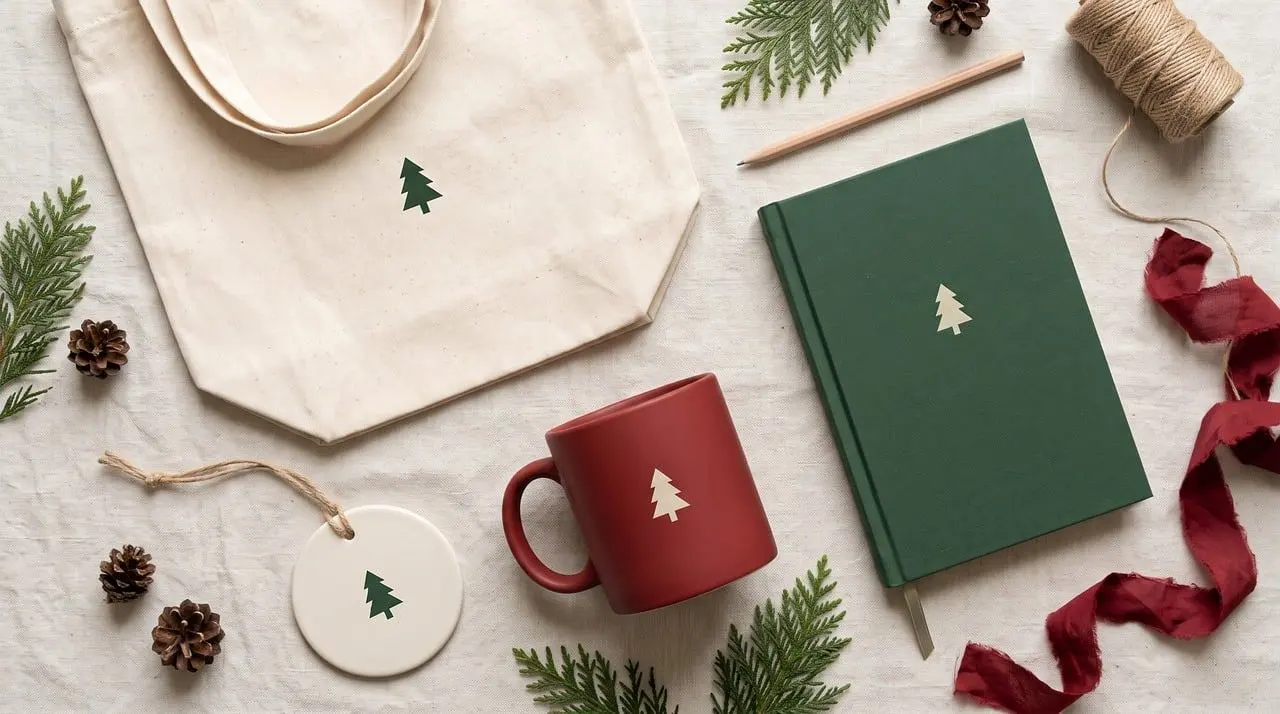
Whatever mix you use, aim for sameness in the right places. HubSpot says strong brands are consistent across the experiences people have with them, and that is what separates memorable brands from those lost in the crowd (HubSpot).
Frequently asked questions
Is branding the same thing as having a logo?
Show answer
No. QuillBot says a strong brand isn’t built around a logo, tagline or color palette alone, but around a strategic core that decides how it should be seen and who it’s for (QuillBot). The logo is simply the part people notice first.
Can a small business afford to do branding?
Show answer
Yes, because the most valuable work is thinking and consistency rather than spending. HubSpot’s guide is written with tight budgets in mind (HubSpot). Start with your audience, your promise and a simple set of rules.
What is the difference between branding and a branding strategy?
Show answer
The strategy is the plan, and branding is the doing. QuillBot compares branding to the building process that brings the blueprint to life, which is why a plan without action stays a document (QuillBot).
Is branding ever finished?
Show answer
Not really. HubSpot describes it as the way you actively shape and maintain recognition through your actions, which means upkeep never stops (HubSpot). Treat your rules as living and review them as your business grows.